
Case Framing | Define Problems Before Solving Them
A few years back, I was super excited about my first big consulting gig. The client, a small online store, said, “Our sales are dropping fast, help us fix it!” I jumped right in, suggesting new ads, fancy website changes, and email blasts. We spent weeks (and their money) on all that. Guess what? Sales dropped even more. I felt like a total flop. Turns out, I was solving the wrong problem. That’s when I learned about case framing, defining the real problem clearly before trying to fix anything. It saved my career and made my case studies way stronger. Let me walk you through my story, nice and simple.
What Case Framing Really Means (No Fancy Words):
Case framing is like putting a picture frame around a photo. It helps you see the important part clearly. In case studies or business problems, it means asking: “What is the true problem here?” before you start fixing.
Many people (like old me) rush to answers. “Sales down? Run more ads!” But if the real issue is bad customer service or high prices, ads won’t help. Good framing stops wasted time and money.
In consulting or any case study work, framing comes first. It turns messy situations into clear questions you can solve.
Solving Symptoms, Not the Root:
Back to my story. The online store’s sales were falling 20% every month. I thought, “Easy, people aren’t seeing the products!” So, I pushed marketing fixes.
After it failed, the client was upset, and I was embarrassed. I took a break and talked to a mentor. She asked, “Did you frame the problem right?”
No, I didn’t. The symptom was low sales. But the real problem? Customers were buying once, then leaving bad reviews about slow shipping. They weren’t coming back!
I had chased the wrong thing, like fighting a dragon that wasn’t there.

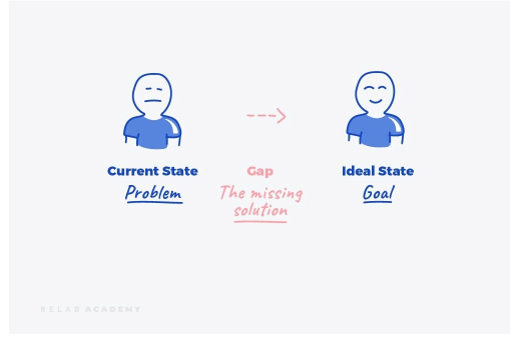
The Aha Moment: A Simple Way to Frame Problems:
My mentor showed me an easy framing method. It’s like a checklist:
- Describe the situation: What’s happening? (Sales dropping.)
- Spot the symptoms: What hurts right now? (Less money coming in.)
- Ask why five times: Dig deeper. Why? Customers are not returning. Why? Bad reviews. Why? Slow shipping. Why? Old warehouse system. Why? No budget for upgrade.
- State the core problem clearly: One short sentence. “We lose repeat customers because shipping takes too long due to an outdated system.”
- Set the goal: What success looks like. “Cut shipping time in half to boost repeat buys by 30%.”
This took me one afternoon on a whiteboard. Suddenly, everything was clear!
How Good Framing Fixed the Case:
With the new frame, I went back to the client (lucky they gave me a second chance!). We focused on shipping:
- Switched to a better delivery partner.
- Updated the warehouse tools.
- Added tracking updates for customers.
Results? Shipping time dropped from 10 days to 3. Reviews got better. Repeat customers jumped. Sales went up 45% in three months!
The client was happy, referred me to others, and that case study became my best example when pitching new work.
Everyday Tools I Now Use for Framing Every Case:
I keep it simple, no need for big software.
- Whiteboard or paper for “why” questions.
- A template: Problem Statement = [Who] is facing [What issue] because [Why], leading to [Bad result].
- Talk to people: Ask customers or team members what they really think.
- Data check: Look at numbers to prove the frame (like review scores or return rates).
Now, every case study I do starts with framing. It makes the whole story stronger, a clear problem, smart fixes, happy ending.
What I Learned the Hard Way (So You Don’t Have To):
From my dragon-chasing disaster:
- Always pause and frame first. It saves time later.
- Wrong frame = perfect solution to nothing.
- A good frame makes solutions obvious.
- Share your frame with others, they spot blind spots.
- Practice on small problems, like “Why is my room messy?”
Conclusion:
Case framing turned me from a rushed fixer into a smart consultant. My case studies now win clients because they show real thinking, not just action.
Next time you face a tough case, stop and frame it right. You’ll solve the real dragon and feel like a hero when it works.
FAQs:
1. What is the primary purpose of case framing?
It defines the true root problem before any solutions are attempted.
2. What was the author’s initial mistake with the online store client?
They rushed to solve the symptom (low sales) instead of finding the core issue.
3. What simple method does the author use to find the root cause?
Asking “why” repeatedly (like five times) to dig past symptoms.
4. What was the actual core problem for the online store?
They were losing repeat customers due to painfully slow shipping times.
5. How did fixing the framed problem impact the client’s sales?
Sales increased by 45% within three months after shipping was improved.
6. What is a key benefit of good case framing for a consultant?
It creates stronger, more persuasive case studies that win new clients.